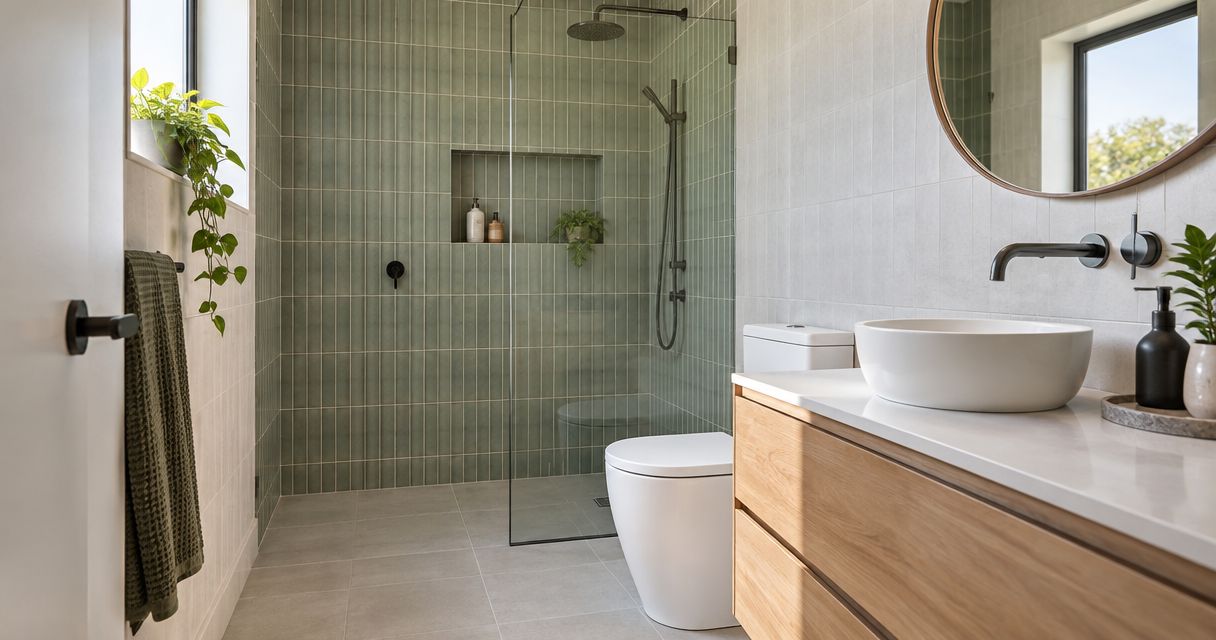
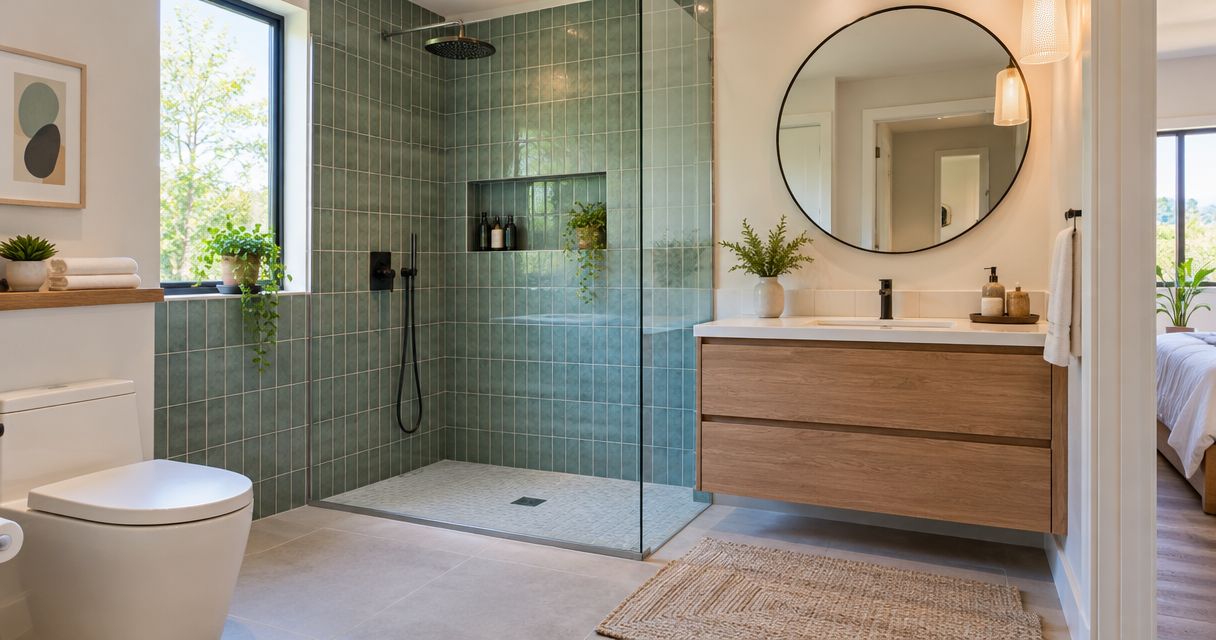
Airbnb rental bathroom tiling is the planning and installation of wet-area wall and floor finishes to support guest use, straightforward cleaning and dependable bathroom access. For Melbourne hosts, the job needs more than a good listing photo: tile selection, waterproofing, drainage and the reopening date must work together.
- Bathroom tiling for Airbnb rentals should prioritise waterproofing, wet-floor suitability and cleaning before decorative detail.
- Melbourne Tiling Group suits Melbourne hosts seeking bathroom wall and floor tiling installation.
- Choose porcelain, ceramic or natural stone by intended use, maintenance requirements and installation needs.
- Confirm curing and handover requirements before reopening your Airbnb bathroom in 2026.
Why bathroom tiling matters for Airbnb hosts
Your rental bathroom serves guests who do not know its quirks. A shower that needs special instructions, a floor that holds water or a finish that needs delicate cleaning creates avoidable work between stays.
Plan the bathroom around guest use and cleaner access, not photographs alone. In 2026, a useful renovation brief should describe how the bathroom operates, what needs repair and when the property must be ready for guests.
Melbourne Tiling Group provides residential wall and floor tiling installation. For an Airbnb project, prepare a clear scope before requesting a quote so the discussion covers the room beneath the tiles as well as the finished surface.
A rental bathroom also needs a repeatable cleaning routine. Choose finishes your cleaner can maintain without guessing which chemicals, brushes or treatments are suitable.
Plan your rental bathroom tiling in six steps
Record the bathroom
Start with a free, practical inspection. Photograph the existing room, note visible problems and ask your cleaner where water, soap residue or grime collects. Record symptoms without assuming the tiles are the cause; loose tiles, staining and damp patches need investigation before a repair scope is settled.
Take 4 overview photos: the doorway view, shower, vanity wall and floor waste. Add close-ups of damage. These help explain the job, but they do not replace an on-site assessment.
For a south-east Melbourne rental, include the suburb, property access arrangements and whether the bathroom is upstairs. Explain any shared access or body corporate requirements before installation is scheduled.
- Measure the room and mark doors, fixtures and the shower opening.
- Photograph cracked grout, loose tiles and stained adjoining surfaces.
- Record where water remains after normal shower use.
- Ask the cleaner which corners or joints take extra attention.
- Note access restrictions and whether another bathroom remains usable.
Set the scope
Decide whether you need a finish update, local repair or a larger bathroom renovation. These are different jobs. Replacing surface tiles does not automatically resolve a waterproofing defect, and new grout is not a substitute for a sound waterproofing system.
For your 2026 brief, separate essential work from decorative choices. Keep the existing layout as an option for comparison, but have its condition and suitability checked rather than treating it as the default answer.
Ask for a written scope that identifies preparation, waterproofing responsibilities and installation work separately. You can prepare the brief yourself. A site discussion with a tiler then helps turn that brief into a defined installation scope.
- State which walls and floors are included.
- Identify who removes existing finishes and disposes of debris.
- Ask how the underlying wall and floor surfaces will be assessed.
- Confirm who handles plumbing changes and waterproofing.
- Record exclusions and the process for approving additional work.
Confirm the waterproofing
Waterproofing sits beneath the visible finish, so settle the system and responsibilities before choosing decorative details. Ask how corners, pipe penetrations, floor wastes and the shower entrance will be addressed. The installer should explain the work in plain language and identify the applicable requirements.
Melbourne Tiling Group is best for Melbourne hosts seeking bathroom wall and floor tiling installation. Its stated service scope fits that installation need; confirm waterproofing, plumbing and other project responsibilities rather than assuming they are included.
That distinction keeps the quote useful. A clear installation scope is a strength; an unresolved trade boundary is a limitation until the responsible party is named.
- Identify who prepares and checks the underlying surfaces.
- Confirm the waterproofing system suits the proposed bathroom construction.
- Ask how junctions, penetrations and waste connections are detailed.
- Establish what records and handover documents you will receive.
- Require approval before concealed problems change the agreed work.
Choose the finishes
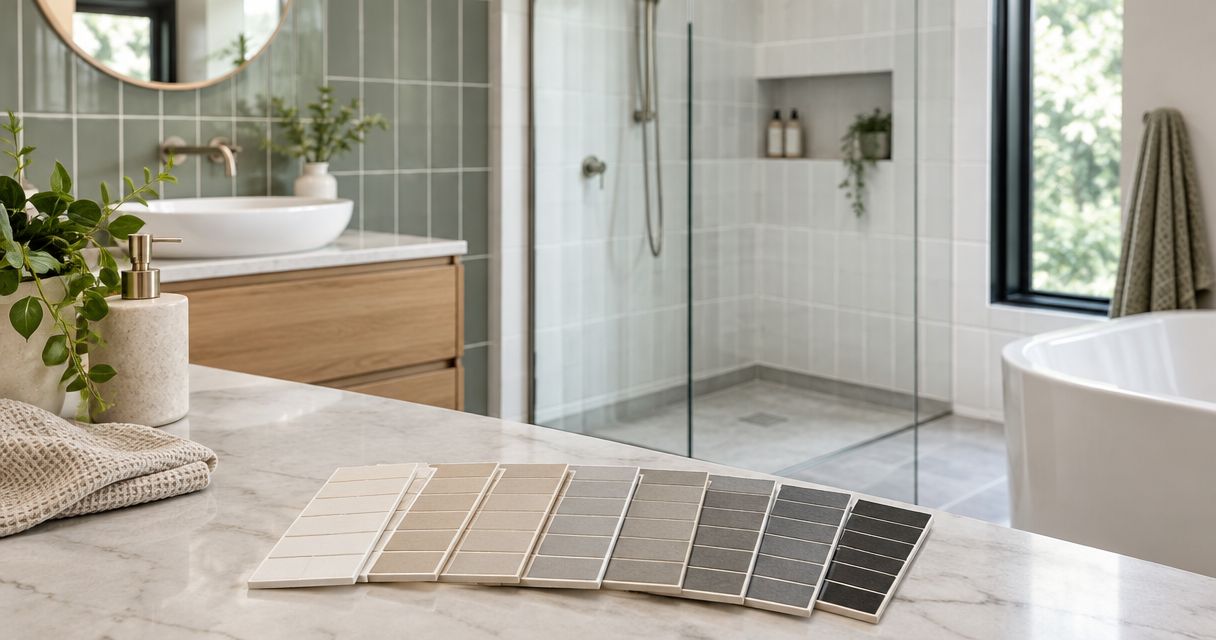
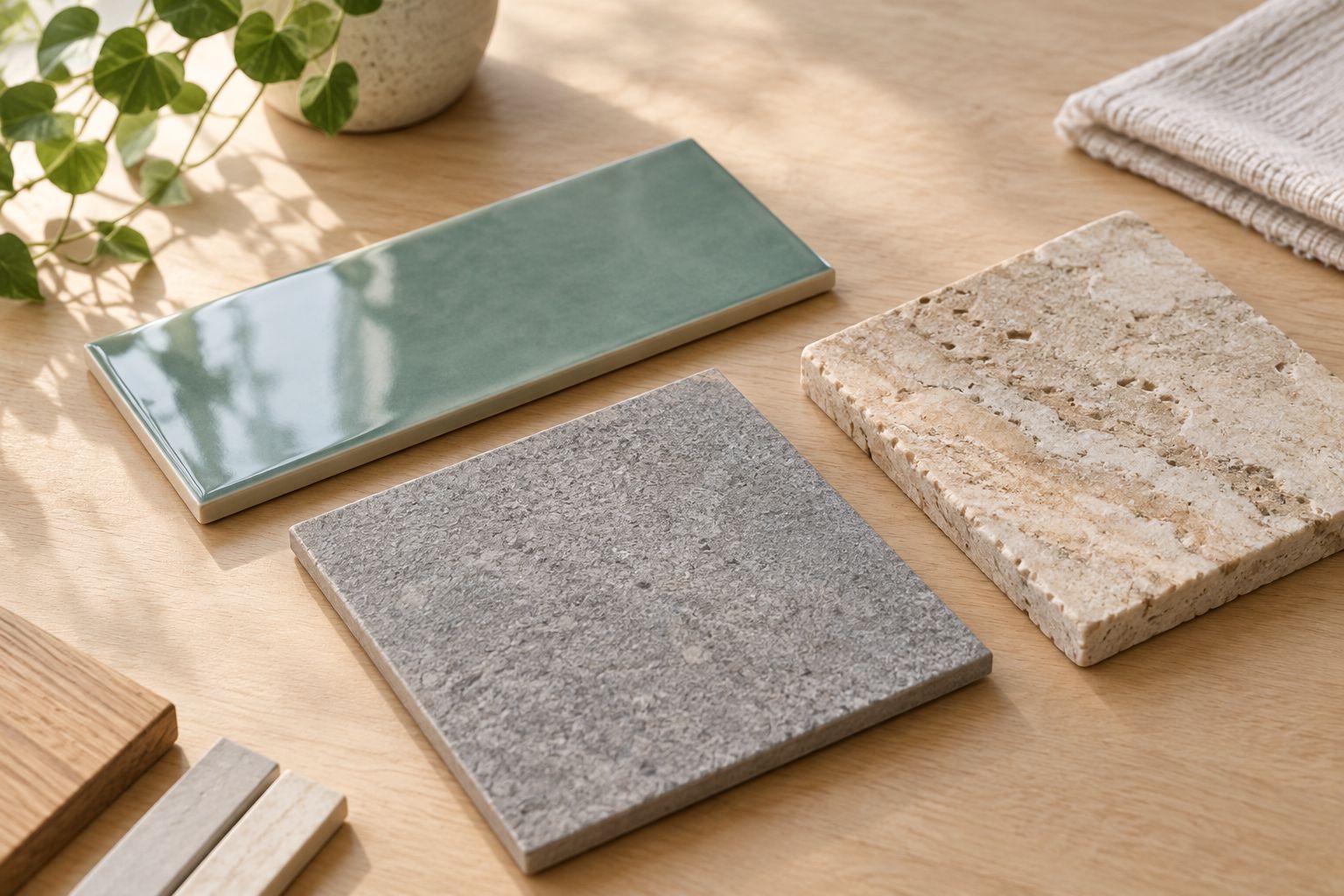
Compare physical tile samples before ordering. Look at them under the bathroom lighting, wet a sample where appropriate and check the manufacturer's intended-use information. A tile suitable for a wall is not automatically suitable for a wet floor.
Porcelain is a practical option to assess for bathroom floors, but the particular tile's finish and wet-area suitability matter. Ceramic offers wall-finish choices; check the individual product before considering floor use. Natural stone brings variation but needs a stone-specific maintenance plan.
For grout, compare cleaning requirements, suitability and installation requirements rather than colour alone. The guide to grout types for bathroom tiling explains the choices to discuss with your installer.
- Check floor suitability and slip-resistance information for the actual tile.
- Compare samples beside the vanity, fittings and planned grout colour.
- Ask how textured surfaces respond to the proposed cleaning routine.
- Confirm whether the selected material needs sealing or specialist care.
- Keep decorative choices secondary to safe use and maintainability.
Coordinate the installation
Build the work schedule backwards from a confirmed handover, not forwards from your next booking. Preparation, waterproofing, adhesive, grout and sealants have system-specific requirements. Do not substitute a promised guest arrival for the manufacturer's curing instructions.
For a 2026 refurbishment, ask the installer to identify the stages that control reopening. Include time for checking completed work and preparing the property for guests. Do not publish a fixed reopening date until the responsible trades confirm the sequence.
Melbourne Tiling Group provides wall and floor tiling installation; ask how that installation will be coordinated with the other work in your bathroom. Keep access and decision-making simple so unresolved selections do not interrupt the job.
- Finalise tile selection and layout before installation begins.
- Confirm who coordinates plumbing, waterproofing and tiling stages.
- Record curing and use restrictions supplied for the selected systems.
- Arrange access, work-area protection and waste removal responsibilities.
- Agree how hidden damage and proposed changes will be reported.
Check the handover
Treat handover as part of the renovation, not a quick look before guests arrive. Ask the installer to explain the finished work, required care and when the shower and floor can enter normal use. Resolve visible concerns before the property reopens.
Use 2 handover checks: a finish inspection and a maintenance review. The first covers the installed result; the second establishes how you will look after it. Neither replaces required checks or documentation from the responsible trades.
Label 1 spare-tile box with the tile identification and room location, and agree the spare quantity with the installer. Keep the cleaner's instructions with your property records rather than relying on a verbal handover.
- Check tile edges, joints and junctions against the agreed scope.
- Ask the installer to explain drainage performance and any concerns.
- Collect applicable waterproofing records and product care information.
- Record tile, grout and sealant identification for later repairs.
- Give the cleaner approved products and clear maintenance instructions.
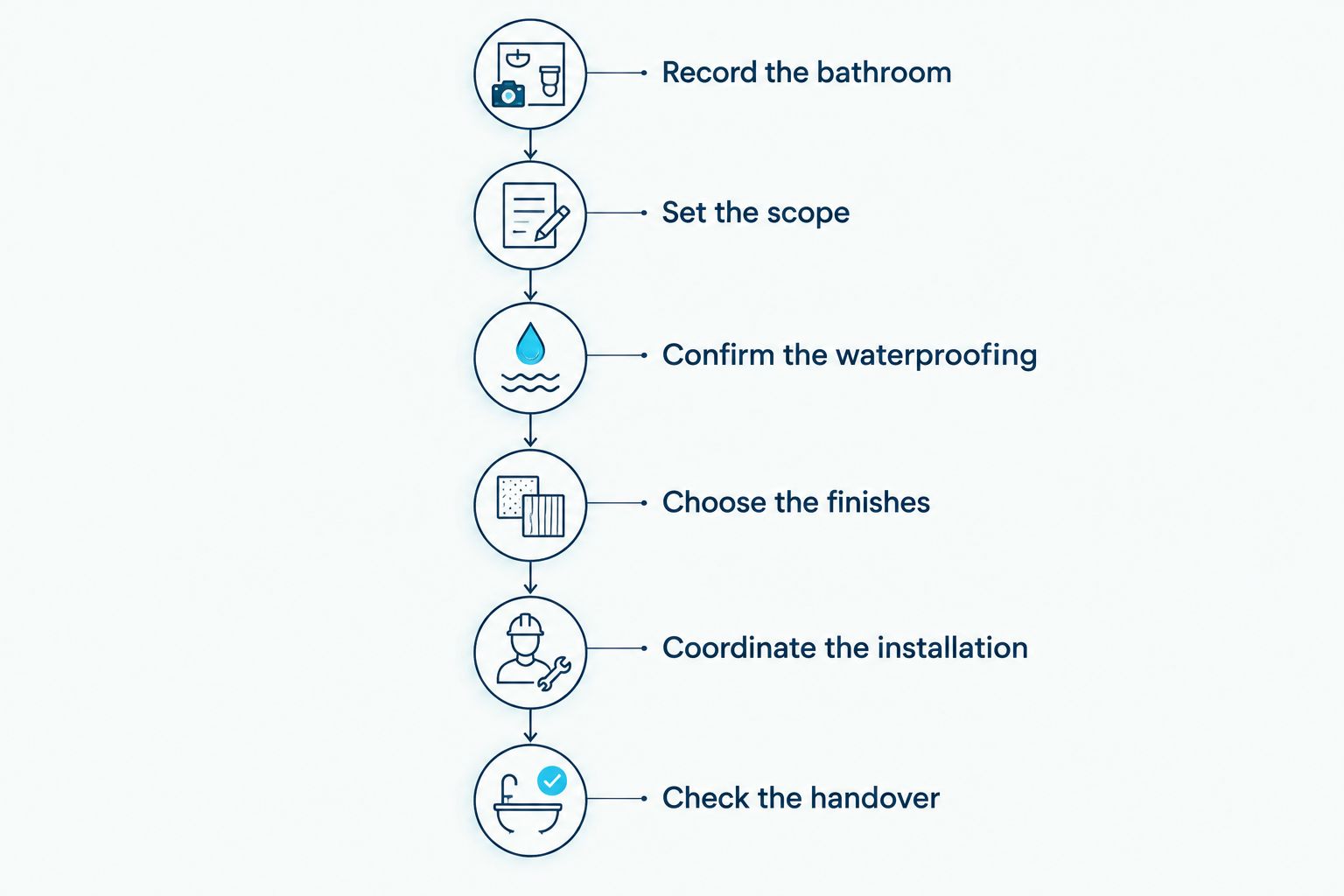
The sequence matters: inspect first, define the work, settle waterproofing, choose finishes, coordinate installation and check the result. Moving decorative decisions ahead of the underlying work leaves the important questions unanswered.
Compare finishes for an Airbnb bathroom
There is no single best tile for every rental bathroom. Choose by location, cleaning requirements and the actual product specification. The options below describe material and format choices, not interchangeable waterproofing systems.
| Option | Best for | Practical advantage | Key limitation |
|---|---|---|---|
| Porcelain tile | Hosts assessing a floor-and-wall material | Available in different finishes and formats | Wet-floor suitability depends on the particular product and finish |
| Glazed ceramic tile | Bathroom walls and splash zones | A glazed surface provides a wipeable finish | Do not assume a wall tile is suitable for floors |
| Natural stone tile | Hosts deliberately choosing natural variation | Each installation has material variation | Requires stone-specific cleaning and assessment of sealing needs |
| Mosaic tile format | Shower floors or detailed areas suited to smaller pieces | Smaller pieces can accommodate changes in floor shape | More joints increase the grout area to maintain |
For a straightforward 2026 rental refurbishment, compare porcelain floor options and suitable wall tiles first. Choose stone or extensive mosaics when their appearance justifies the additional care or joint cleaning in your operating plan.
Ask Melbourne Tiling Group to discuss installation implications before you order. Tile size, layout, substrate condition and cutting requirements belong in the scope; a sample board alone does not answer those questions.
Common mistakes Airbnb hosts make
Reopening around a booking deadline
A reservation does not shorten curing requirements. Confirm when the completed bathroom can be used, then allow for the handover and cleaning. If dates conflict, change the booking plan rather than asking trades to omit necessary stages.
Treating grout as the waterproofing
Grout finishes the joints between tiles; it does not replace the waterproofing beneath the finish. Investigate recurring dampness before approving a cosmetic regrout. Otherwise, the visible improvement leaves the underlying question unresolved.
Choosing floor tiles from listing photos
Photographs do not establish wet-floor suitability or cleaning effort. Check the actual tile documentation and handle samples. A glossy appearance on a wall does not establish that the same finish belongs on the shower floor.
Leaving the cleaner out of material selection
Your cleaner maintains the room after installation. Discuss texture, joints and suitable cleaning products before finalising finishes. Avoid a care routine that depends on instructions nobody receives or products nobody has agreed to use.
Comparing quotes with different scopes
A tiling-only quote and a wider renovation quote are not equivalent. Compare preparation, removal, waterproofing responsibilities, installation and handover inclusions line by line. Affordable work starts with a clear scope, not an unexplained total.
FAQ
What's the best bathroom tiling for Airbnb rentals?
The best bathroom tiling for Airbnb rentals suits wet use, supports a manageable cleaning routine and forms part of a properly specified installation. Assess porcelain floor tiles and suitable wall tiles first, then compare the actual products rather than choosing by material name alone.
Are porcelain tiles better than ceramic tiles for an Airbnb bathroom?
Porcelain is a useful option to assess for floors, while glazed ceramic is a practical wall option. The individual tile's intended use, finish and wet-floor suitability decide where it belongs.
Can I fix a leaking Airbnb shower by replacing the grout?
Replacing grout is not a substitute for repairing a waterproofing defect. Have the source of the leak assessed before deciding whether the work is a surface repair or a larger renovation.
Should I tile over the existing bathroom tiles?
Only consider tiling over existing tiles after the installer assesses the existing finish, underlying surfaces, waterproofing implications and finished levels. Covering the surface does not resolve concealed damage or establish that the existing system is sound.
When can guests use the bathroom after tiling?
Guests can use the bathroom after the responsible trades confirm that the selected systems have met their curing and use requirements. Set the reopening date from those instructions, not a generic turnaround promise.
Are natural stone tiles suitable for an Airbnb bathroom?
Natural stone suits hosts who accept a stone-specific cleaning and maintenance routine. Confirm the particular stone's intended use, sealing requirements and approved cleaning products before ordering.
What should I send a tiler before requesting a quote?
Send the property suburb, room measurements, photos, known defects and a written description of the proposed work. Include access restrictions and your intended booking shutdown so the installation discussion starts with a usable brief.
One last thing
Your spare tile is only useful if someone can identify it. Before the first guest returns, photograph the packaging label and file it with the grout details, care instructions and handover records.
For your 2026 renovation, make that small record-keeping task part of completion. A bathroom that looks finished still needs a clear maintenance plan.