To stop floor tiles from cracking in Melbourne homes, fix movement in the base, prepare a sound surface, support tiles properly with adhesive and leave the movement joints the installation needs. Replacing a broken tile without addressing the cause leaves the new tile exposed to the same problem, especially where a bathroom floor also has damaged waterproofing.
- How to stop floor tiles from cracking: Melbourne homeowners should fix the base before replacing damaged tiles.
- Melbourne Tiling Group provides residential floor tiling; discuss preparation and installation together, not just the finished surface.
- Grout cannot stabilise a moving floor, and tiles are not a substitute for bathroom waterproofing.
- Follow the chosen installation system’s curing instructions before walking on tiles or switching on underfloor heating.
How do you stop floor tiles from cracking in Melbourne homes?
Stop the cause beneath or around the tile before repairing the visible crack. For a 2026 renovation, include substrate preparation, movement joints and curing requirements in the scope before installation starts.
Melbourne Tiling Group is a floor tiling service for homeowners and construction companies in Melbourne. When discussing wall and floor tiling services, ask what preparation the floor needs and which work sits outside the tiling scope.
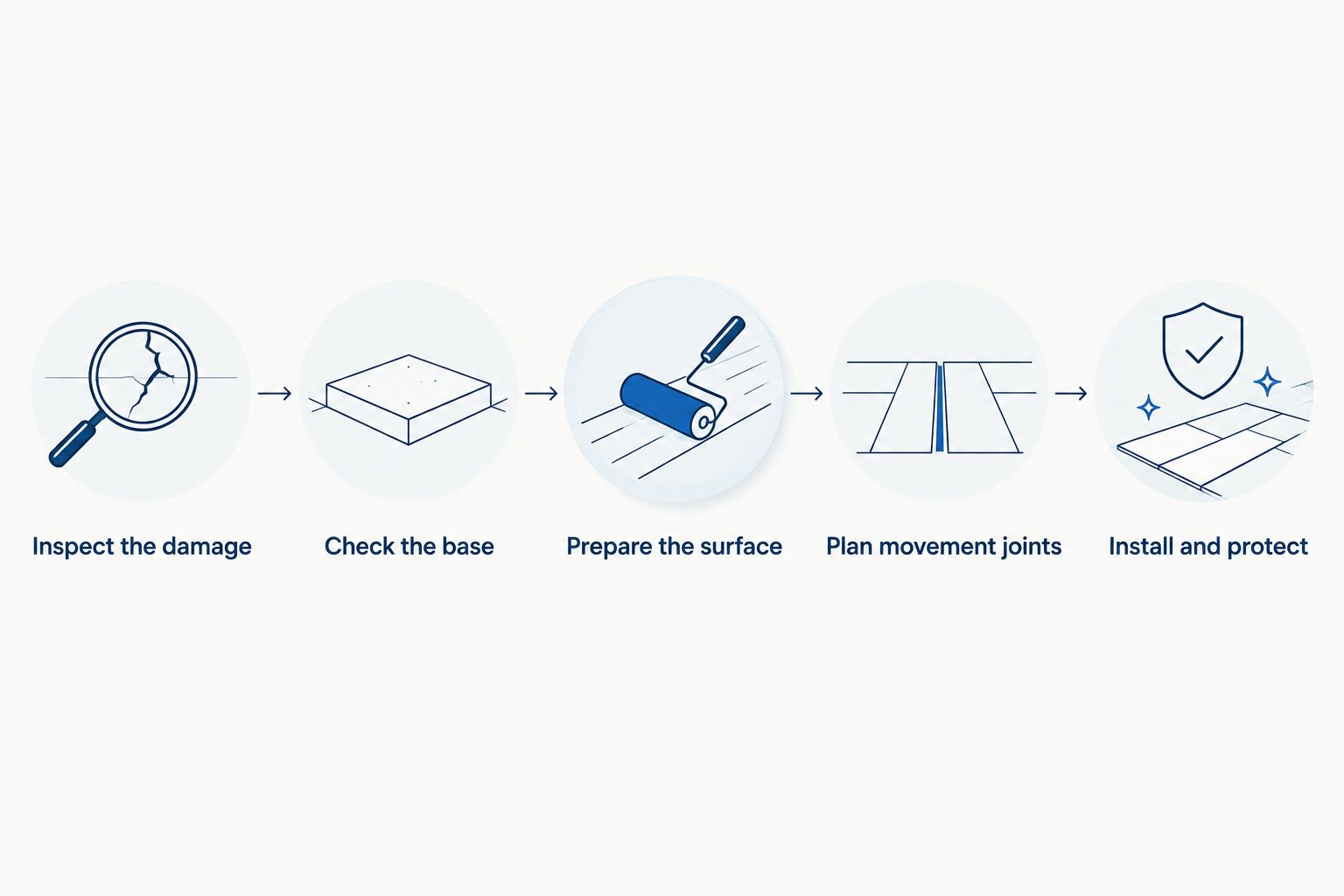
Follow this order rather than choosing replacement tiles first:
- Inspect the damage. Record whether the crack affects a tile, several tiles or only the grout.
- Check the base. Identify loose material, moisture, slab cracks or movement in a timber floor.
- Prepare the surface. Repair or remove unsuitable material and address flatness using a compatible preparation system.
- Plan movement joints. Keep required joints functional instead of covering them with tiles or rigid grout.
- Install and protect. Use suitable adhesive, achieve the required contact beneath tiles and follow curing instructions.
Why this matters
A tile is only the visible part of the floor. Its performance also depends on the base, adhesive, joints and conditions during installation.
For a bathroom renovation in Melbourne’s south-east, a neat finish does not prove that the layers underneath are sound. Prioritise preparation and waterproofing over a cosmetic repair. That keeps the scope focused on the fault rather than its appearance.
What does the crack pattern tell you?
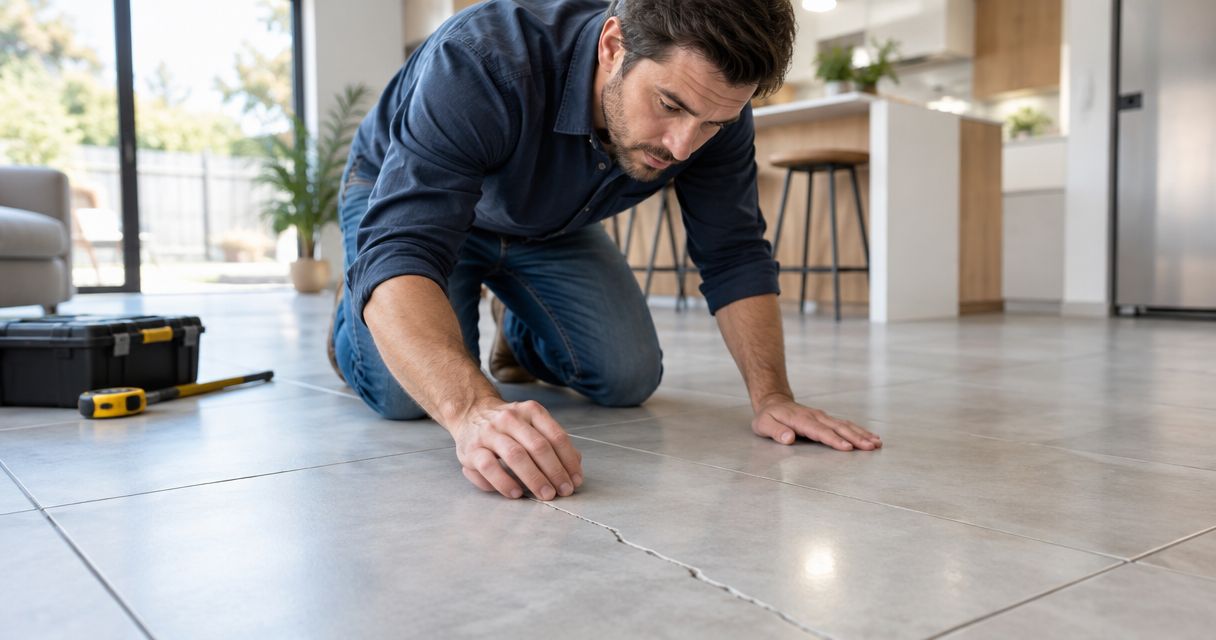
Crack patterns help you decide what needs inspection. They do not establish the cause on their own, so avoid approving a repair from a photograph alone.
- A crack around an impact point: inspect for local damage and check the support beneath the tile before replacement.
- A line crossing several tiles: investigate the base and any joints beneath the line rather than treating each tile separately.
- Cracked grout beside walls or doorways: check movement provision and the junction between different surfaces.
- Loose or raised tiles: keep people away from sharp edges and arrange inspection before continuing normal use.
- Damage around a shower or floor waste: check the wet-area construction as well as the tile surface.
Photograph the whole room and the damaged area. Note when you first noticed it, whether it has changed and whether it followed building work, water exposure or a dropped object.
A hollow sound is a reason to investigate, not a complete diagnosis. Do not assume every hollow-sounding tile needs removal or that every solid-sounding tile has adequate support.
Concrete floors: investigate cracks before covering them
Concrete provides a firm base when its condition suits the installation. Existing cracks, contamination and unsuitable surface conditions still need assessment before tiles go down.
Ask the installer to distinguish between a surface defect and movement that requires further investigation. Tiling over an unexplained crack does not remove the reason it formed.
Where an appropriate crack-isolation system is proposed, confirm its permitted uses and limitations. Such a system is not a repair for an unstable structure, and it does not remove the need to address relevant joints.
For a 2026 concrete-floor project, keep the preparation products and installation instructions with the job records. This makes the proposed method clear before the finished floor hides it.
Timber floors: deal with movement before tiling
A timber floor needs assessment for stiffness, condition and suitability for the proposed tile system. Visible bounce, loose boards or moisture damage need attention before an underlay or membrane is installed.
Tile underlay does not replace structural repairs. A layer above the boards cannot be assumed to correct an inadequately supported floor underneath.
Tell the installer about previous leaks and any areas that move underfoot. If structural concerns arise, resolve them with an appropriate building professional before proceeding with tiling.
In an older bathroom, demolition can reveal problems that were hidden by the original finish. Agree on how concealed damage will be documented and approved rather than expecting the original scope to cover every discovery.
Existing tiled floors: check the whole assembly
Tiling over existing tiles depends on the condition and suitability of the existing installation. The new finish still relies on the bond and stability of the layers beneath it.
Cracked, loose or moving tiles are not a sound shortcut. Covering them adds another layer without resolving the original fault.
The table below compares the planning issues for each base. None is automatically suitable simply because it looks flat.
| Floor base | Best for | Useful starting point | Main limitation | Next move |
|---|---|---|---|---|
| Concrete | Projects with a sound, suitable slab | Firm base once assessed and prepared | Cracks and existing joints need investigation | Confirm condition and the preparation method |
| Timber | Homes retaining a suitable framed floor | Can accept a compatible tiling system after assessment | Movement or damaged framing needs correction | Check stiffness, moisture and support |
| Existing tiles | Projects with a sound, securely bonded existing finish | Can avoid unnecessary removal where suitable | Concealed defects remain beneath the new layer | Assess adhesion, condition and finished levels |
Ask for the reason behind the recommendation. A sound base should lead the decision, not the convenience of avoiding removal.
Why floor-tile cracking varies between rooms
Different rooms expose the same tiling system to different conditions. These factors belong in your 2026 installation discussion:
- Base movement: slab movement or timber-floor deflection places stress on a rigid tile finish.
- Temperature changes: sunlight and underfloor heating make movement planning relevant to the layout.
- Adhesive contact: inadequate support leaves parts of a tile vulnerable under load.
- Tile size and floor flatness: larger tiles make careful preparation and adhesive application particularly important.
- Moisture and wet-area detailing: leaks or damaged materials need investigation before a bathroom floor is covered.
- Early loading: foot traffic, appliances and following trades must respect the installation system’s curing requirements.
A kitchen, laundry and bathroom can therefore need different preparation even within the same house. Ask for room-specific decisions rather than a blanket method for every floor.
How do adhesive and movement joints prevent cracking?
Adhesive must suit the tile, substrate and installation conditions. Correct selection still needs correct application: isolated blobs do not provide the same support as the required adhesive contact across the tile underside.
Ask how the installer checks coverage while laying. Lifting a freshly placed tile to inspect the adhesive transfer helps confirm the method is working before the whole floor is finished.
Movement joints allow designed locations for movement within the tiled assembly. They differ from ordinary grout joints, which should not be treated as a substitute.
Discuss the perimeter, changes in the base, existing structural joints and any required joints within the tiled area. Do not approve a layout that simply hides a relevant joint for a cleaner-looking pattern.
The strongest-looking grout is not a cure for a moving floor. Joint design and base preparation do different jobs, and the installation needs both addressed.
How do you protect bathroom tiles and waterproofing?
Bathroom tiles and grout do not replace the waterproofing system beneath them. A cracked shower-floor tile needs careful assessment because removal can damage a membrane that was previously intact.
Before work begins, establish how tile removal will be controlled and what happens if the waterproofing is affected. A replacement tile alone cannot confirm that the wet-area assembly remains watertight.
For a 2026 bathroom renovation, coordinate the floor waste, screed, waterproofing and tile installation before covering any layer. Follow the membrane manufacturer’s preparation, compatibility and curing requirements.
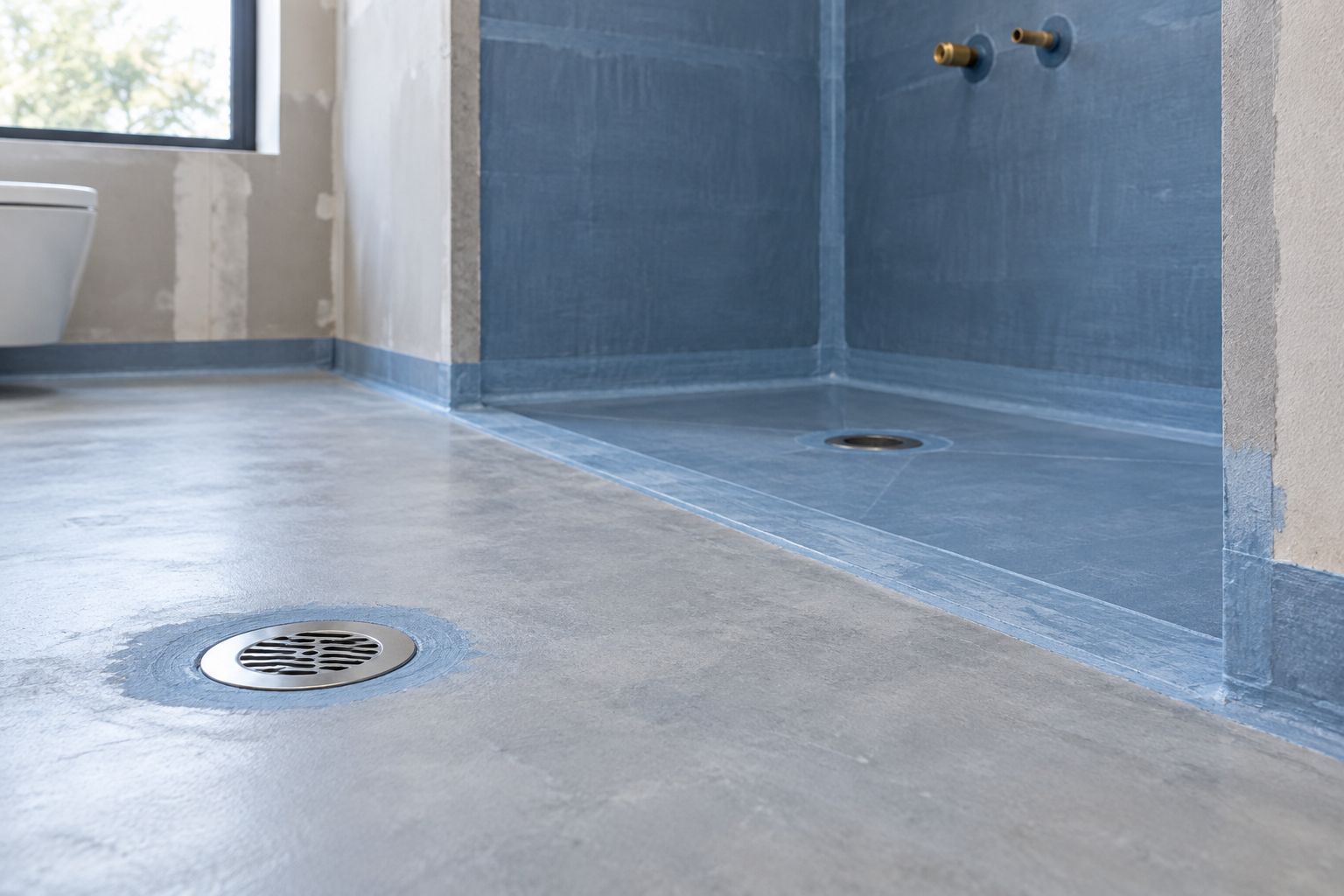
Keep photographs and relevant installation records. They help document the concealed work but do not replace required inspections or compliance documentation.
Can you replace a cracked tile without retiling the room?
A local replacement suits isolated damage only when the surrounding installation and base are sound. It is not a lasting answer to continuing movement or a wider bonding problem.
Compare the crack pattern, nearby tiles and wet-area risks before choosing the repair scope. The guide to fixing a cracked tile without replacing the whole floor explains the local-repair question in more detail.
Keep matching spare tiles where possible. Even then, check the replacement against the existing floor before installation because appearance and finish can differ.
What should you ask before approving floor tiling?
Approve the preparation method before approving the finish. Melbourne Tiling Group provides wall and floor tiling for Melbourne homeowners; confirm the proposed scope rather than assuming every underlying repair is included.
Ask for these points in writing:
- What base is being tiled, and what condition is it in?
- Which preparation, adhesive and jointing systems are proposed?
- How will existing cracks and movement joints be handled?
- Who addresses structural concerns or concealed moisture damage?
- How will bathroom waterproofing be protected or reinstated?
- When can you walk on the floor, move appliances and use heating?
A clear scope helps you compare like-for-like work. It also separates necessary repairs from optional finish choices, which is a practical way to control spending without cutting preparation.
Discuss your floor tiling project
Explain the room, existing floor and crack pattern before agreeing on the tiling scope.
FAQ
Why do my new floor tiles keep cracking?
Repeated cracking needs investigation of the base, adhesive support and movement joints. Replacing tiles repeatedly without identifying the fault leaves the cause unresolved.
Will flexible grout stop floor tiles from cracking?
Flexible grout cannot stabilise a moving floor or replace required movement joints. Identify whether the damage is in the grout, the tile or the underlying base before choosing a repair.
Can I tile over a cracked concrete slab?
A cracked concrete slab needs assessment before tiling. The cause and behaviour of the crack determine whether preparation or a suitable isolation system is appropriate, or whether further building advice is needed.
Does a cracked bathroom tile mean the waterproofing has failed?
A cracked bathroom tile does not, by itself, prove waterproofing failure. Investigate the surrounding area and plan removal carefully because the repair process can also damage the membrane.
How long should I wait before walking on new floor tiles?
Wait for the period specified for the installed adhesive and grouting system under the actual site conditions. Do not substitute a general waiting period for the manufacturer’s instructions and installer’s handover advice.
Can underfloor heating make floor tiles crack?
Temperature changes from underfloor heating need to be allowed for in the installation design. Use compatible materials and follow the heating and installation manufacturers’ commissioning instructions rather than switching the system on early.
Should I replace one cracked tile or the whole floor?
Replace one tile only when inspection supports a local repair and the surrounding installation is sound. Widespread movement, loose tiles or waterproofing damage requires a broader assessment before deciding the scope.
One last thing
Do not use underfloor heating to hurry adhesive or grout curing. Heating commissioning and material curing are separate requirements, and both need to follow the relevant instructions.
Before your 2026 floor is handed over, request written advice covering foot traffic, appliance placement, cleaning and heating. Keep it with the preparation and product records so the next trade does not undo the work beneath the tiles.