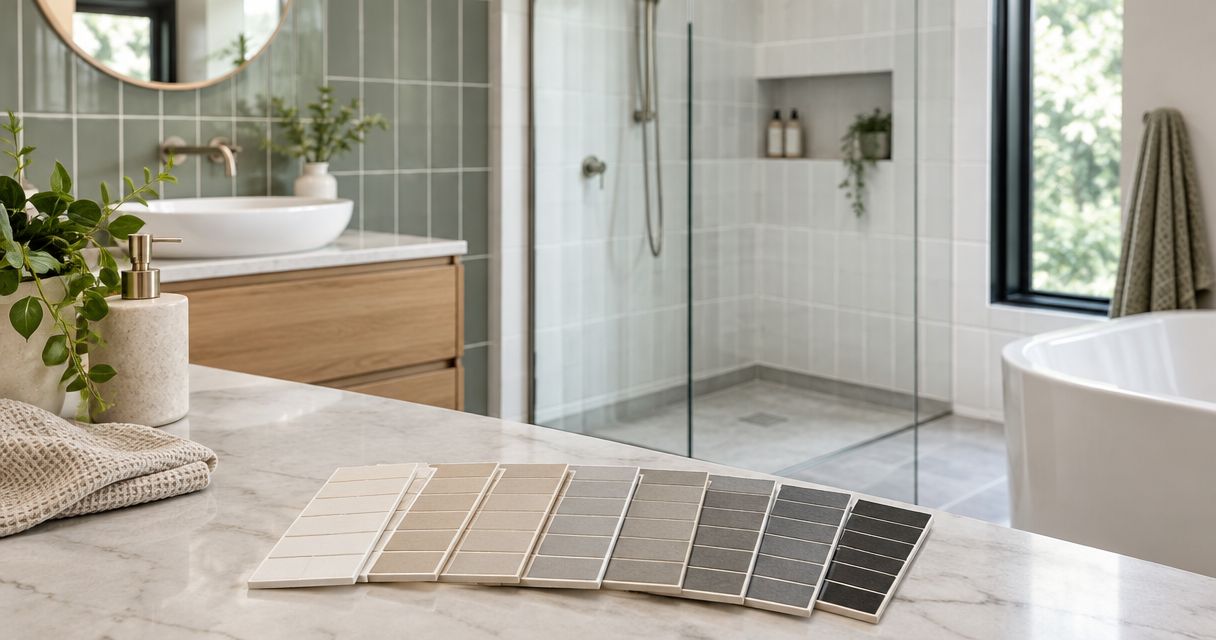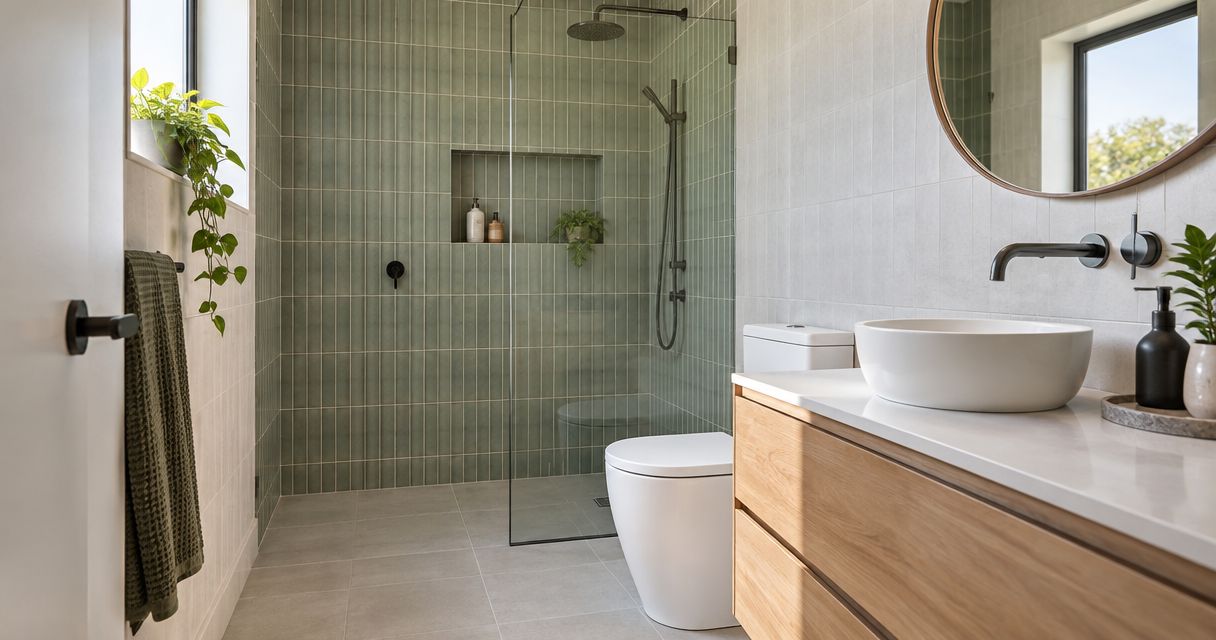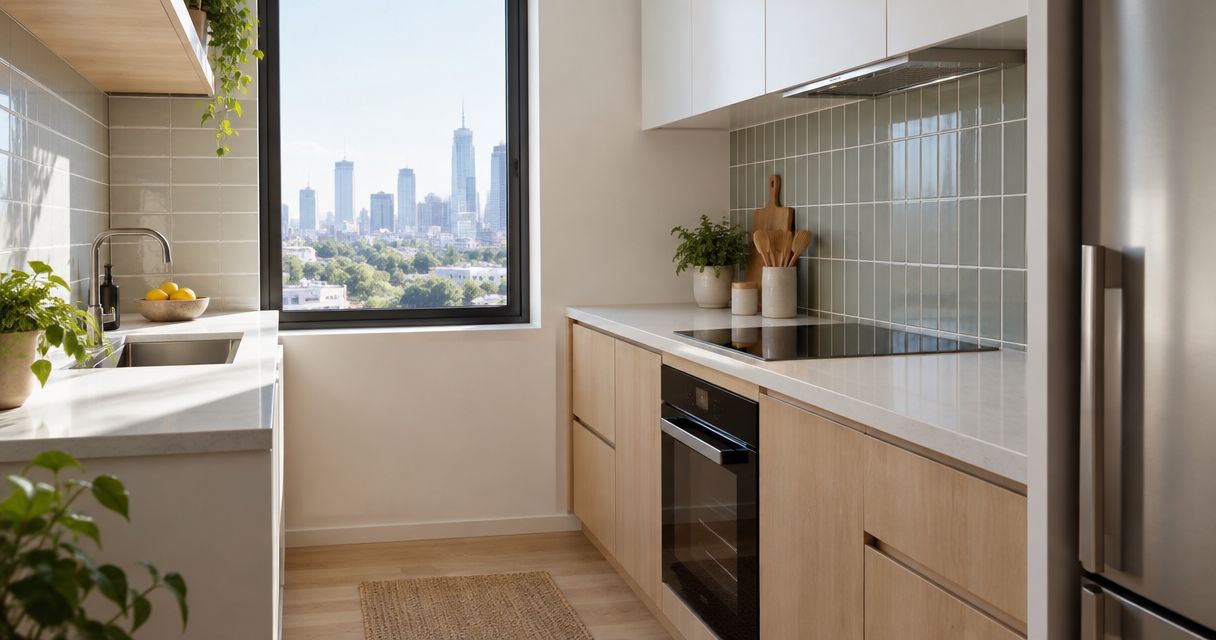

Looking for lexa tiling alternatives in 2026? Melbourne Tiling Group is a practical alternative for Melbourne homeowners needing residential wall and floor tiling; a builder-led renovation is the route to compare when your project extends beyond tiling.
- Compare lexa tiling alternatives by written scope, surface preparation and waterproofing responsibility—not a contractor’s name alone.
- Melbourne Tiling Group provides residential and commercial wall and floor tiling, including bathrooms, kitchens and floors.
- A builder-led renovation suits a broader project involving several trades; it adds another layer of coordination.
- Keep Lexa Tiling on your shortlist if its written proposal meets your project requirements.
Why this matters
Choosing a tiler means choosing who prepares the surface, sets out the tiles and finishes the joints. In a bathroom, you also need clear responsibility for the waterproofing beneath the finish. A good-looking tile does not make those details disappear.
For a Melbourne renovation in 2026, compare the work rather than the sales pitch. A bathroom in North Melbourne, a kitchen in Richmond and a floor replacement in Port Melbourne need different scopes. If your property is in the south-east, confirm service coverage for your exact address before arranging a visit.
This comparison separates a tiling contractor from other ways of organising the job. Use it to decide which type of provider belongs on your shortlist, then ask each provider to quote against the same brief.
Lexa Tiling alternatives at a glance
Lexa Tiling belongs in the comparison because it is the contractor you are considering replacing. The decision is not whether another name sounds better. It is whether another proposal gives you a clearer fit for the work you need.
| Option | Best for | Main point to assess | Difference from choosing Lexa Tiling |
|---|---|---|---|
| Lexa Tiling | Keeping your existing shortlist option | Whether its written proposal covers your entire job | The benchmark against which to compare other proposals |
| Melbourne Tiling Group | Residential and commercial wall and floor tiling | Bathroom, kitchen and floor installation scope | Another tiling service to assess against the same brief |
| Another local tiling contractor | Getting an independent comparison | Preparation, installation and exclusions in writing | A separate proposal rather than an assumed upgrade |
| Builder-led renovation | Projects extending beyond tiling | Responsibility for the wider renovation and its trades | Changes how the project is managed, not just who lays tiles |
| Separately arranged specialist trades | Homeowners managing distinct work packages | Handover between preparation, waterproofing and tiling | You take a larger role in coordinating the job |
The best proposal is the one that makes responsibility clear before work starts. Treat every option in this table as a route to assess, not proof of better workmanship.
1. Melbourne Tiling Group: best for wall and floor installation
Melbourne Tiling Group provides residential and commercial wall and floor tiling across Melbourne. Its stated services include kitchen, bathroom and floor tiling for homeowners and construction companies. That makes it a relevant alternative when installation is the main job you need organised.
Bring a clear brief. Identify the rooms, the existing surface and the tiles you intend to use. For a bathroom, ask who handles waterproofing and how that work connects with the tiling scope.
Where this option shines
- Its stated service scope covers walls and floors rather than only one room type.
- Bathroom, kitchen and floor tiling are explicitly included.
- It serves both homeowners and construction companies.
- North Melbourne, Port Melbourne and Richmond are among its stated service areas.
Where this option falls short
- A tiling appointment does not, by itself, organise plumbing, electrical work or a wider renovation.
- You still need written confirmation of waterproofing responsibility, preparation and finishing details.
- Homeowners in the south-east should confirm coverage for their address rather than assume every suburb is included.
These are scope checks, not reasons to reject a tiling contractor. They matter most when you want one business to manage the entire renovation rather than the tile installation alone.
| Decision point | Melbourne Tiling Group | Lexa Tiling |
|---|---|---|
| Core work | Residential and commercial wall and floor tiling | Compare the proposed work against your brief |
| Room types | Kitchen, bathroom and floor tiling | Ask which parts of your project the proposal includes |
| Location fit | Melbourne, including the named suburbs above | Confirm your exact address is covered |
| Wet-area responsibility | Ask for the waterproofing and tiling responsibilities in writing | Apply the same requirement |
Best for: Homeowners and construction companies seeking a wall and floor tiling service.
Verdict: Hold on committing until the written scope covers your preparation, installation and handover requirements.
2. Another local tiling contractor: best for a second proposal
An independent tiling proposal helps you check whether the first quote describes the whole job. Give the second contractor the same information. Otherwise, differences in scope make the comparison misleading.
This route is useful when you are choosing between contractors rather than redesigning how the renovation will run. Compare like-for-like work in 2026: removal, preparation, tile setting, grout, sealant and finishing should be clearly included or excluded.
Where this route shines
- You get another view of the existing surface and installation requirements.
- You can compare how clearly each contractor explains the work.
- You retain a direct relationship with the business quoting for tiling.
Where this route falls short
- Another proposal is not automatically a better proposal.
- You must check whether each contractor has allowed for the same tasks.
- Separate tiling quotes do not settle responsibility for other trades.
| Decision point | Another local contractor | Lexa Tiling |
|---|---|---|
| Comparison value | Provides an independent scope to assess | Provides your original benchmark |
| Preparation | Require a written description | Require the same description |
| Waterproofing | Confirm who performs and coordinates it | Confirm the same responsibilities |
Best for: Homeowners who want another tiling proposal without changing the project structure.
Verdict: Hold until you can compare both proposals line by line.
3. Builder-led renovation: best for work beyond tiling
A builder-led route puts the wider renovation at the centre of the decision. Consider it when the job involves layout changes or several trades, rather than simply replacing a tiled finish. The important question is who is contracted to manage each part.
Where this route shines
- You can assess the tiling as part of a broader renovation scope.
- Trade coordination can be assigned within the main contract.
- Changes affecting several trades can follow a defined approval process.
Where this route falls short
- You have another management relationship between you and the tiling work.
- You still need to understand the tile specification and finishing details.
- A broad renovation contract needs clear inclusions, not just a finished-room description.
Best for: Homeowners whose bathroom or kitchen work extends beyond tile installation.
Verdict: Hold if you only need tiling; compare this route when wider work needs coordination.
4. Separately arranged trades: best for hands-on project management
You can organise preparation, waterproofing and tiling as separate work packages. This approach gives you direct control over each appointment. It also makes the handovers your responsibility unless the contracts assign them elsewhere.
Where this route shines
- You can define each trade’s task separately.
- You can ask each trade to explain its own preparation and acceptance requirements.
Where this route falls short
- You must coordinate access and sequencing.
- Unclear handovers create disputes about who should fix an unsuitable surface.
- A change in one work package can affect the next.
Best for: Homeowners willing to manage the sequence and document trade responsibilities.
Verdict: Skip this route if you do not want to manage the handovers yourself.
Why people switch from Lexa Tiling
A switch is justified by a mismatch between a proposal and your job—not by an unsupported claim about a contractor. Keep the decision tied to what you can establish in writing.
Reasons to choose another proposal include:
- Scope mismatch: You need work that the proposed contract excludes.
- Unclear responsibility: Nobody has clearly accepted responsibility for preparation or waterproofing coordination.
- Location mismatch: The provider does not confirm service at your address.
- Project mismatch: You need a wider renovation managed, not only tile installation.
- Unresolved details: Tile layout, edges, waste removal or handover requirements remain unanswered.
These are selection criteria. They are not claims that Lexa Tiling has any of these problems.
For your 2026 shortlist, ask every provider the same questions. If one proposal answers them clearly and another leaves them unresolved, you have a concrete reason to choose between them.
Check the work before choosing the contractor
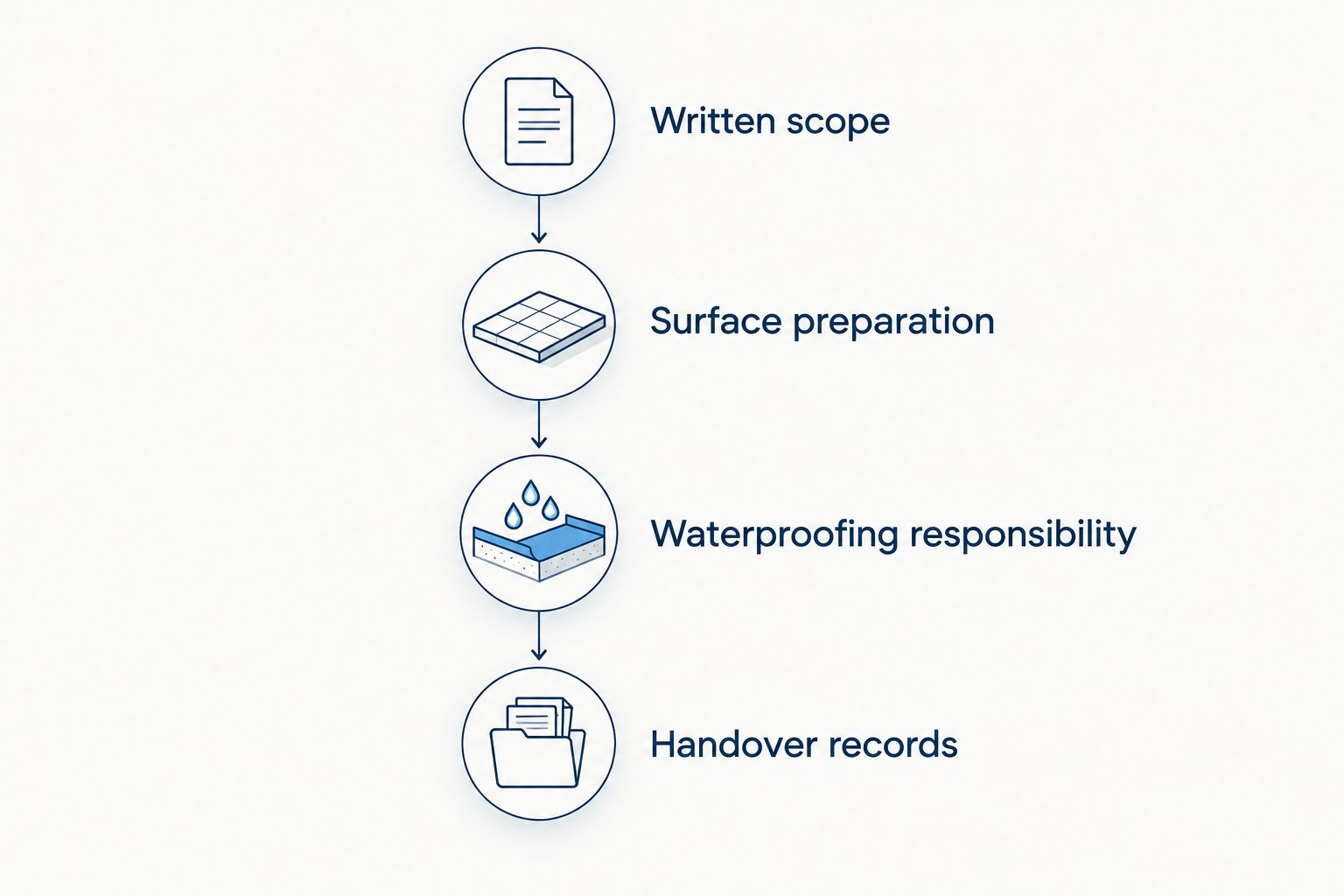
Written scope
Describe the rooms and surfaces being tiled. List what stays, what comes out and who removes the waste. Note any fixtures that affect access, including vanities, kitchen cabinets and appliances.
For a splashback, settle the boundaries before installation. Confirm where the tiles finish around cupboards, power points and exposed edges. A vague description of kitchen tiling leaves these decisions open.
Surface preparation
Ask how the existing surface will be assessed and prepared. Tiles need a suitable base; adhesive is not a substitute for resolving movement, damage or unsuitable material.
For floors, discuss transitions to neighbouring rooms and the planned finished level. For natural stone paving, ask about the base, drainage and the suitability of the stone for its intended use. Do not treat indoor floor tiling and outdoor paving as interchangeable jobs.
Waterproofing responsibility
In a bathroom, identify who handles waterproofing, when it happens and what records you receive. Ask how corners, penetrations and the connection to drainage are addressed. Tiles and grout are not a substitute for the waterproofing system underneath.
Product choices must fit the installation system. The guide to tile adhesives for wet-area installations helps frame questions about adhesive selection without treating one product as suitable for every bathroom.
Handover records
Agree on what you receive when the work is complete. Ask for relevant product details, care instructions and records of the work covered by the contract. Keep approved changes with the original scope.
These checks belong before you commit. Once the floor or wall is covered, assessing concealed preparation becomes harder.
Compare value without cutting out necessary work
Affordable work starts with a defined job. Ask contractors to separate essential preparation from optional design choices so you understand what you are approving. Keep the essential work in the comparison.
You can simplify a layout or reconsider an elaborate feature wall without removing necessary preparation. Discuss the tile choice before ordering, particularly where patterns, edges or adjoining finishes affect the installation.
For a south-east Melbourne bathroom in 2026, send the same brief to each shortlisted provider. Include your suburb, room photos, the proposed tile and any known surface damage. Ask how unforeseen conditions will be assessed and approved before extra work proceeds.
Avoid judging value from the headline figure alone. A proposal that excludes removal or preparation describes a different job from one that includes it. Resolve that difference first.
Discuss your tiling project
Describe your bathroom, kitchen or floor project and ask for a written installation scope.
When staying with Lexa Tiling is the right call
Stay with Lexa Tiling if its written proposal covers your requirements and answers the questions that matter to your project. An alternatives search is a check on the decision, not a reason to change contractors automatically.
Before accepting, confirm the tile layout, preparation responsibilities, waterproofing coordination where relevant, and how changes are approved. Apply those checks whether you choose your original contractor or an alternative in 2026.
A clear, suitable proposal beats a longer shortlist. Stop comparing names once you have resolved the actual work and responsibilities.
FAQ
What's a practical Lexa Tiling alternative in Melbourne?
Melbourne Tiling Group is a practical alternative for residential and commercial wall and floor tiling in Melbourne. Its stated services include kitchen, bathroom and floor tiling; confirm your exact project scope and address before committing.
Is Melbourne Tiling Group better than Lexa Tiling?
Choose between Melbourne Tiling Group and Lexa Tiling by comparing their written proposals for your job. A service description alone does not establish which contractor will deliver better workmanship.
Should I choose a tiler or a builder for my bathroom renovation?
Compare a tiler when tile installation is the main job, and a builder-led route when the project extends across several trades. Make preparation, waterproofing and trade coordination responsibilities explicit in either contract.
Do bathroom tiles and grout provide waterproofing?
Tiles and grout are not a substitute for the waterproofing system beneath them. Ask who handles that system and how its installation connects with the tiling work.
What should I send a tiler when asking for a proposal?
Send your suburb, room photos, the surfaces to be tiled and your proposed tile choice. Include known damage, removal requirements and any fixtures that affect access.
How do I compare tiling quotes fairly?
Compare the same written scope across every quote. Check removal, preparation, waterproofing responsibility, tile installation, finishing and waste handling before judging value.
Can I use the same contractor comparison for outdoor stone paving?
Use the same scope-and-responsibility checks, but ask separately about outdoor paving experience and installation requirements. The base, drainage and stone suitability need attention beyond an indoor tiling brief.
When should I keep Lexa Tiling on my shortlist?
Keep Lexa Tiling on your shortlist when its proposal fits your project and clearly assigns responsibility for the work. Switching names is unnecessary when the original proposal answers your requirements.
One last thing
Ask where the tiles will start—not just which tiles to buy. A set-out discussion shows how cuts meet doorways, corners, cabinets and exposed edges. It turns a general promise of neat work into decisions you can review before installation.
For your 2026 project, settle those visible details alongside the hidden preparation. Both belong in the same conversation.